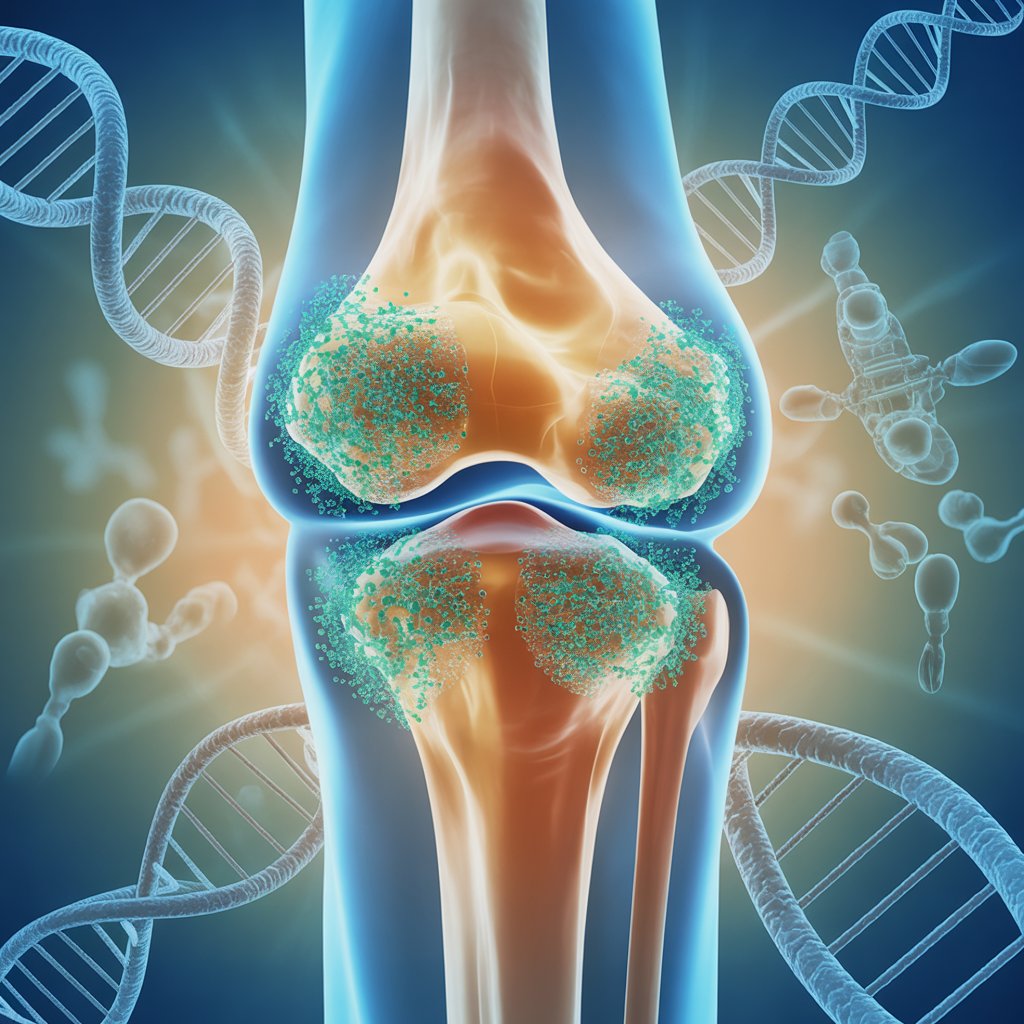
A team at Stanford Medicine has reported an exciting discovery that could one day change how doctors treat arthritis and joint injuries. In studies in mice, and in human cartilage samples taken from knee replacement surgeries, researchers found that blocking a protein linked to aging helped cartilage grow back and kept arthritis from developing after injury.
Cartilage is the smooth, cushioning tissue that helps joints move without pain. When it wears down from aging, injury, or osteoarthritis, bones begin to rub together, leading to stiffness, swelling, and pain. Right now, there are no approved drugs that can truly rebuild lost cartilage, so treatment usually focuses on pain relief, physical therapy, or joint replacement surgery.
The Stanford researchers focused on a protein called 15-PGDH, which rises as the body gets older. They found that this protein seems to act like an “aging switch” in cartilage. When they blocked it in older mice, the animals’ knee cartilage became thicker and healthier again. Even more importantly, mice with knee injuries similar to ACL tears were much less likely to develop arthritis after treatment.
What makes this study especially interesting is that the repair did not depend on stem cells. Instead, the cartilage’s own mature cells, called chondrocytes, seemed to change their behavior and return to a more youthful state. That means the body may already have more repair capacity in cartilage than scientists once thought.
The treatment also helped human cartilage tissue in the lab. Samples from patients undergoing knee replacement showed signs of regeneration after exposure to the 15-PGDH inhibitor. That is an encouraging step, because it suggests the findings may eventually translate beyond animal studies.
Researchers believe this approach could lead to a pill or injection that directly targets the cause of cartilage loss rather than just masking symptoms. If that happens, it could be a major advance for the millions of people living with osteoarthritis, especially those hoping to avoid hip or knee replacement surgery.
Still, this is early-stage research. The results are promising, but they have only been shown in animals and in lab-treated human tissue so far. More testing will be needed to prove the treatment is safe and effective in people.
Even so, the study points to a hopeful future. Instead of accepting cartilage loss as permanent, doctors may someday be able to help joints repair themselves. For people with arthritis or sports injuries, that could mean less pain, better movement, and a much lower chance of ending up in the operating room