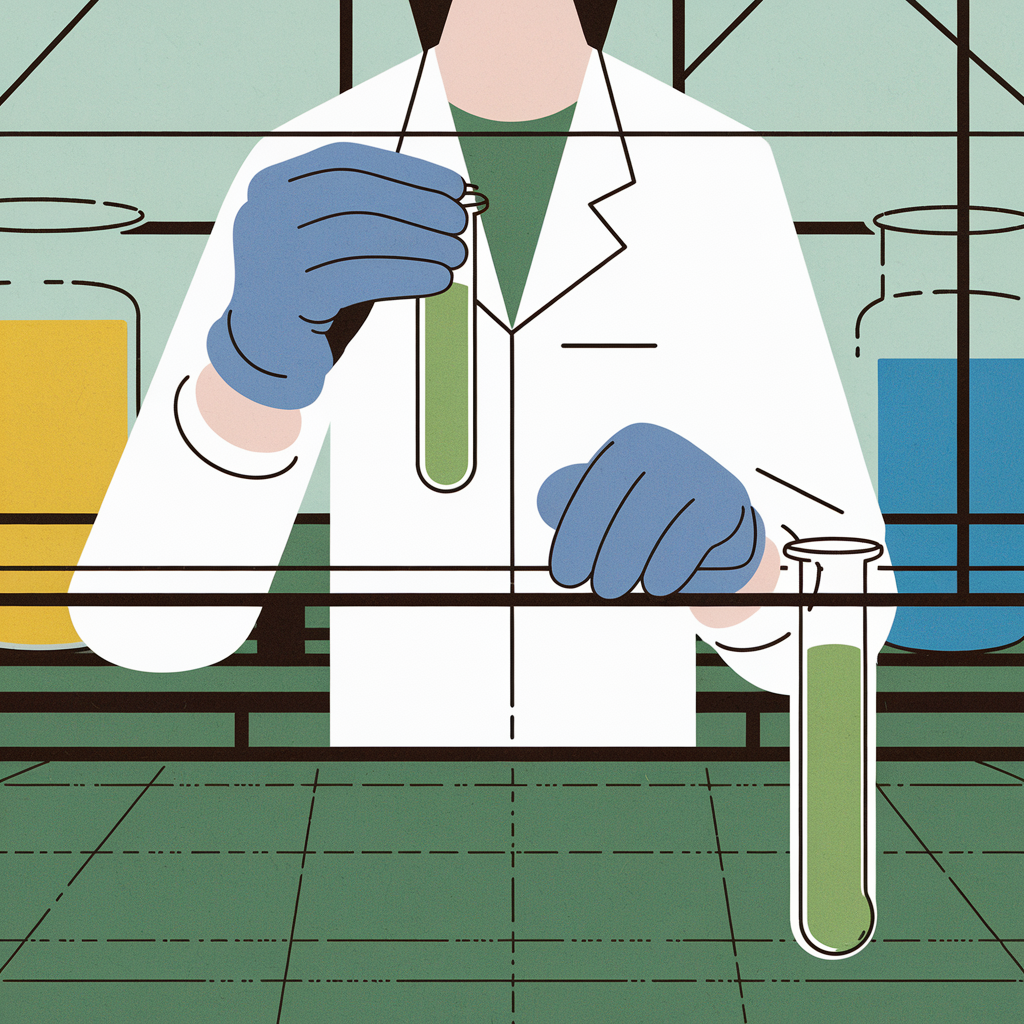
Frailty is not simply a matter of “getting older.” It is a medical syndrome in which a person becomes less resilient, often experiencing reduced strength, slower walking, fatigue, and greater vulnerability to illness or falls. A recent clinical study from Vietnam explored whether infusions of umbilical cord–derived mesenchymal stem cells, or UC-MSCs, might help older adults with frailty improve physical function.
The Phase 2 randomized controlled trial enrolled 147 adults ages 60 to 85 who met criteria for frailty. Participants were assigned either to receive two intravenous UC-MSC infusions, given three months apart, along with oral nutritional supplements, or to receive supplements alone. The researchers followed participants for nine months and assessed mobility, balance, chair-rise ability, grip strength, fatigue, knee function, activity levels, and quality of life.
The study’s most notable result involved the Short Physical Performance Battery, or SPPB. This practical assessment combines three everyday measures: standing balance, walking speed, and the ability to repeatedly rise from a chair. By the nine-month mark, the UC-MSC group scored an adjusted average of 1.1 points higher than the comparison group. That result is encouraging because these abilities affect independence—whether someone can move confidently through a home, get up from a chair, or maintain regular activity
Safety is equally important in any cell-therapy study. No serious adverse events were linked to the UC-MSC infusions. Twelve mild events, including headache, dizziness, and chest discomfort, were reported and resolved without lasting effects. While this is reassuring, a nine-month study involving 147 people cannot settle questions about uncommon complications or long-term safety
It is also important not to overstate what this research shows. The study does not prove that UC-MSC therapy reverses aging, replaces exercise, or is ready to become standard care for frailty. It was a Phase 2 trial conducted at a single center, and it was open-label, meaning participants and investigators knew which treatment was being given. Those factors can introduce bias and limit how confidently the findings can be applied to broader, more diverse populations.
Still, the work represents a meaningful step for regenerative health research. Frailty has few treatments that directly target the biological processes behind declining physical resilience. If larger, double-blind, multicenter Phase 3 trials confirm these results, UC-MSC therapy could eventually become part of a broader approach that also includes nutrition, strength training, mobility support, and management of chronic disease. For now, the best interpretation is cautious optimism: an early clinical signal that deserves rigorous follow-up, not a reason to seek unproven stem cell treatments outside well-regulated research settings.
What part of this study—its mobility finding, its safety data, or its limitations—would matter most to emphasize for your readers?