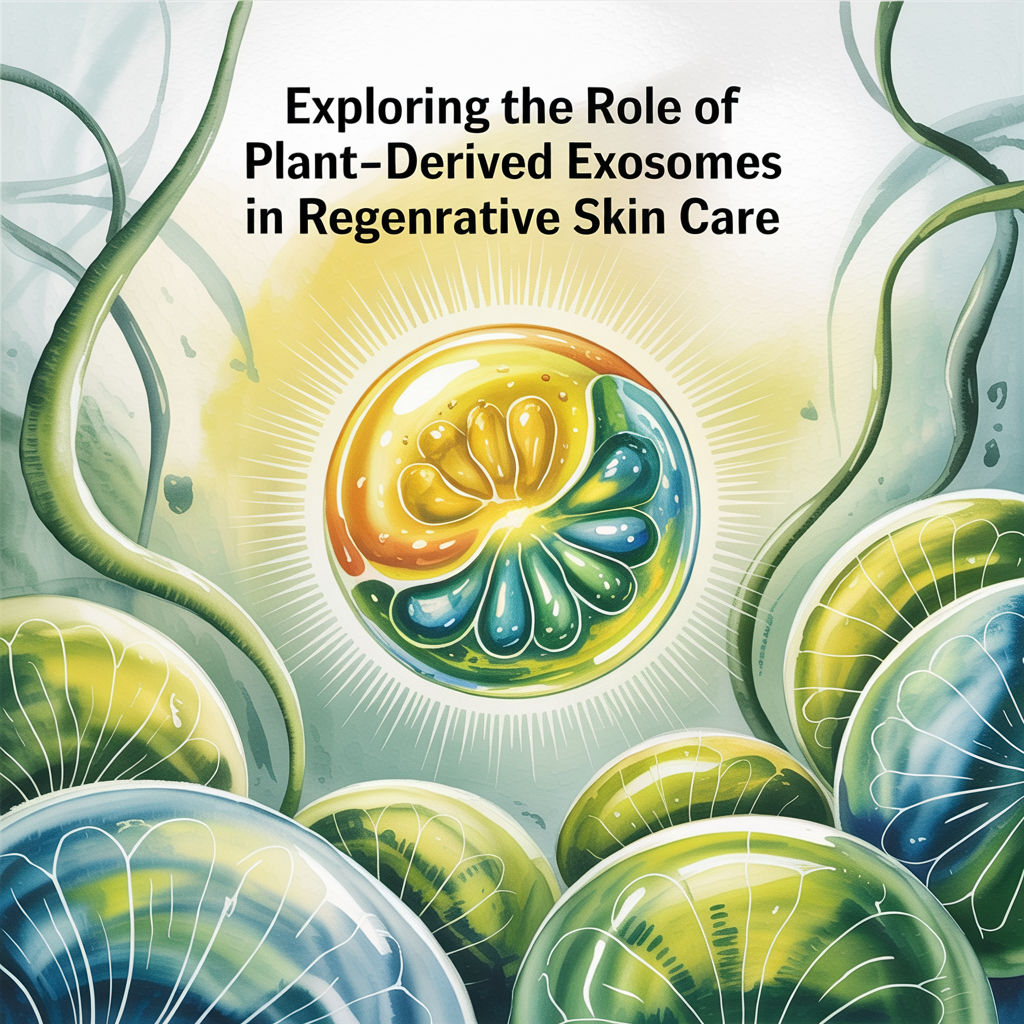
As regenerative skin care trends shift toward science-based and biocompatible solutions, plant-derived exosomes have emerged as a topic of increasing interest. In a recent Q&A with Dermatology Times, Frank Roesken, MD, PhD, shares insights into the safety, functionality, and scalability of plant-sourced exosomes.
Dr. Roesken, co-founder of NanoFusion and CEO of THERAPEIA Cosmetics, explains that exosomes have typically been sourced from human mesenchymal stem cells. However, this raises issues around immunogenicity, contamination risk, and regulatory scrutiny. In contrast, exosomes derived from botanicals like cabbage and cucumber present fewer of these concerns, making them a potentially safer and more sustainable option.
According to Roesken, plant-derived exosomes contain biocompatible compounds that may support cell proliferation, reduce oxidative stress, and strengthen the skin’s natural barrier. These features are increasingly relevant for addressing inflammation, hydration, and skin aging.
Despite growing enthusiasm, Roesken cautions against overinflated claims often seen in the market. While some suppliers promote exosomes as near-miraculous, he emphasizes the need for well-sourced, clinically validated formulations.
One key innovation discussed is Skin Moderne’s approach to exosome purification. Their method—Electrophoretic Oscillation Assisted Tangential Flow Filtration—is designed to preserve the integrity of exosomes while increasing yield and purity. This process is followed by rigorous ex vivo and in vivo testing before any ingredient reaches consumers.
While plant-derived exosomes remain a developing area within dermatology, their potential applications in skin care are gaining attention for both scientific and practical reasons.