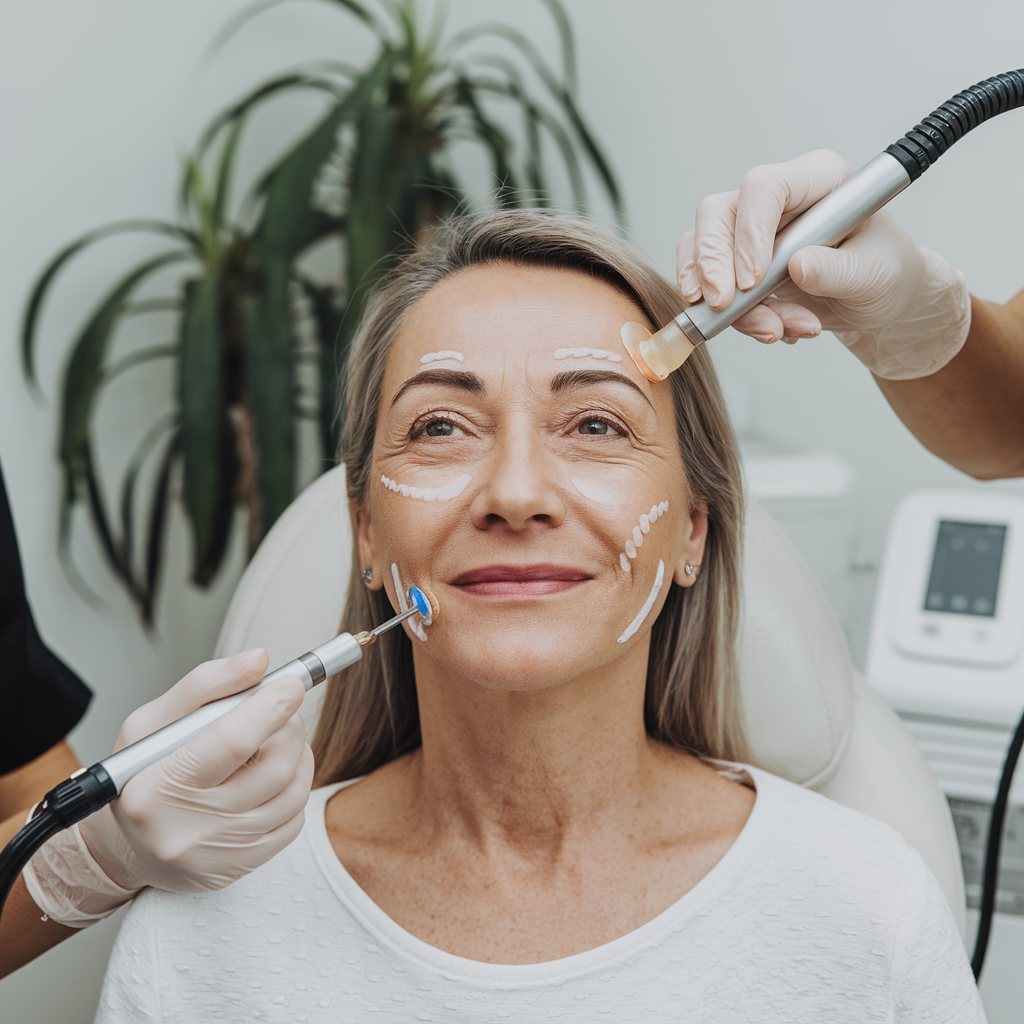
What if skincare focused less on erasing wrinkles and more on keeping skin healthy as it ages? That is the idea behind “pro-longevity” beauty, explored by Yola Robert in a recent article which examines an emerging approach built around cellular health—and asks whether ingredients such as peptides and stem-cell-derived materials can deliver on their promises
For anyone curious about stem cells in cosmetics, its most useful message is simple: evidence matters more than an impressive label.
What Is Actually Inside “Stem-Cell Skincare”?
The phrase “stem-cell skincare” might suggest a moisturizer filled with living cells that rebuild aging skin. According to Dr. Wong, head of dermal aesthetics at SHA Wellness Clinic in Mexico, that is rarely what consumers are buying. These products generally contain extracts or conditioned media rather than living human stem cells. The distinction matters because a cell-derived ingredient is not the same thing as a living-cell treatment.
The article also distinguishes stem cells from exosomes and peptides. Exosomes act as cellular messengers, while peptides are short chains of amino acids that can serve as biological signals. Although these ingredients often appear together in regenerative beauty marketing, they are different technologies—not interchangeable routes to younger skin.
Promising Science, Unanswered Questions
The appeal of regenerative skincare is understandable. Rather than addressing only visible lines, the pro-longevity approach aims to support skin-barrier function, repair, collagen structure, and resilience over time. That shifts the conversation from looking younger to maintaining healthier skin.
But the article draws an important line between biological promise and proven results in a finished cosmetic. Dr. Wong explains that there is insufficient evidence that adding exosomes or stem-cell-derived materials to conventional home skincare preserves their biological activity or provides greater benefits than established ingredients. His comments about medically controlled treatments should not be read as proof that every in-clinic regenerative procedure works, either.
Peptides receive a more practical assessment. Certain formulations may support collagen production or repair, but results depend on the particular peptide, its concentration, stability, and ability to penetrate skin. The article notes that peptides have not been shown to outperform established options such as retinoids and daily photoprotection.
A Smarter Way to Read Beauty Claims
The article describes brand research into cellular aging, including OneSkin’s OS-01 peptide. However, changes measured in experimental skin models should not automatically be interpreted as proof that a cream reverses aging in everyday users. The article’s experts call for stronger standardization, longer randomized trials, and direct comparisons between products..
The exciting part of longevity beauty is its focus on skin function, not simply appearance. For now, stem-cell language is a reason to investigate a product—not a reason to assume it works. The strongest purchase argument remains research on the actual formulation, with clearly defined benefits and honestly stated limits.